- Contact Us Today
- 13937 Sprague Ln #200 Draper UT 84020
- info@qodedental.com
- 13937 Sprague Ln #200 Draper UT 84020
- info@qodedental.com
- Contact Us Today

Strength meets aesthetics with Method Dental Lab’s PFZ crowns, crafted for lasting durability and lifelike results.
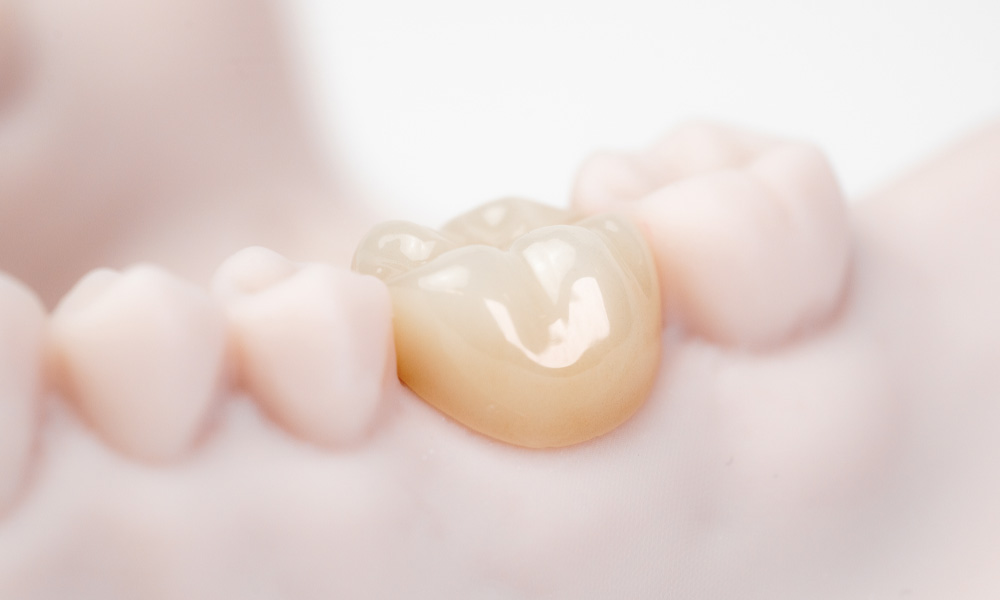
Method Dental Lab’s Porcelain-Fused-to-Zirconia (PFZ) crowns combine the strength of a zirconia core with the natural beauty of porcelain. These crowns are designed for both anterior and posterior restorations, providing the durability needed for high-stress areas and the translucency required for a natural look.
Key Benefits:

1. Superior Aesthetics
The porcelain overlay provides natural translucency, eliminating unsightly dark lines at the gumline.
2. High Strength
The zirconia core ensures the crown can withstand high-biting forces, making it suitable for posterior restorations.
3. Biocompatibility
Zirconia is hypoallergenic, reducing the risk of allergic reactions or sensitivity.
4. Versatile Application
PFZ crowns are ideal for anterior and posterior teeth, offering both strength and beauty in one restoration.
5. Potential Risks
While highly durable, the porcelain overlay can chip or fracture under extreme stress or for patients with bruxism. For such cases, consider recommending full zirconia crowns for added durability.
A PFZ crown consists of a strong zirconia core layered with porcelain, offering a combination of durability and aesthetics.
PFZ crowns are suitable for patients needing durable, natural-looking restorations for both anterior and posterior teeth.
PFZ crowns provide enhanced aesthetics due to the porcelain overlay, making them ideal for visible areas, while full zirconia crowns excel in maximum strength and durability.
A chamfer or shoulder margin with 1.5–2.0 mm reduction ensures a proper fit and optimal crown thickness.
Adhesive resin cement or resin-modified glass ionomer cement is recommended for PFZ crowns to ensure strong bonding.
Looking for other materials?
Explore Method Dental Lab’s complete range of crown and bridge solutions:

Durable and aesthetic restorations for everyday reliability.

Highly aesthetic and strong restorations for anterior and posterior use.
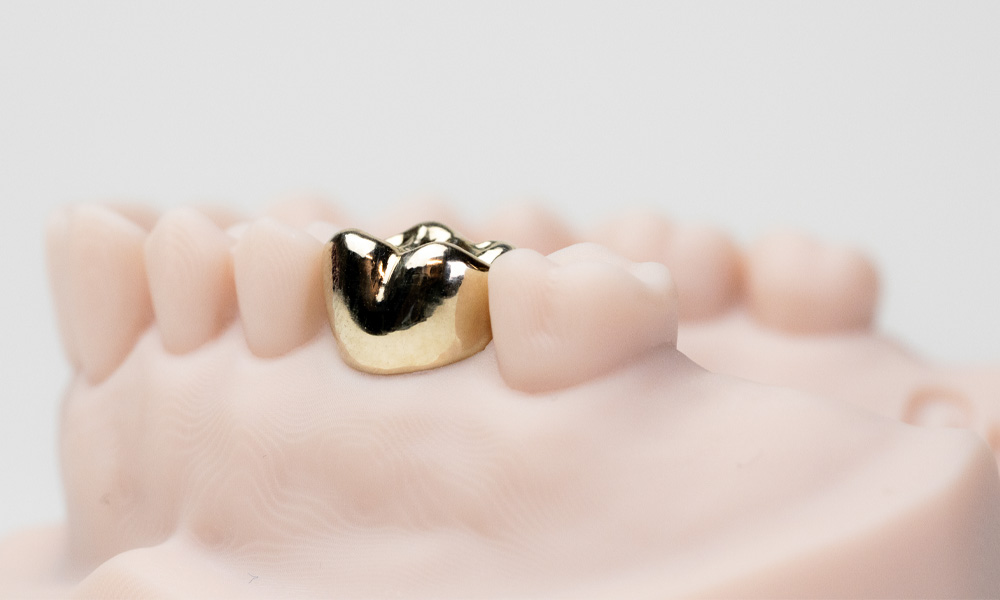
Timeless strength and biocompatibility for posterior restorations.